




If you’re planning your first fix-and-flip in New Jersey, understanding how the market works before you buy is critical.
At surface level, the appeal of New Jersey is straightforward. The Garden State offers lower purchase prices, more available inventory, and faster project timelines compared to nearby New York. For first-time investors, that can make deals feel more achievable: both financially and operationally.
There’s also more flexibility in the types of real estate opportunities available: from urban investment properties, to suburban homes and popular coastal markets. There are options that align with a wide variety of different budgets and strategies.
For more experienced investors, those same factors create a different advantage: speed. Shorter timelines can mean quicker exits and the ability to move capital into the next deal sooner.
But there are some things that new real estate investors should know before approaching a fix and flip project in New Jersey.
From how financing is structured to how local approvals are handled, the process works differently. For investors using hard money lenders in New Jersey, understanding those differences early is key, especially on a first deal, where small missteps can quickly impact timelines and profitability.
How New Jersey deals are financed
A large share of fix-and-flip projects in New Jersey are funded using short-term, asset-based financing rather than traditional bank loans.
These are typically provided by hard money lenders in New Jersey or private money lenders in New Jersey, and are designed specifically for real estate investors who need to move quickly and finance both the purchase and renovation.
Unlike conventional mortgages, these loans aren’t based primarily on your personal income. Instead, lenders focus on the strength of the deal itself: the purchase price, renovation budget, and projected after-repair value (ARV).
For first-time investors, that can make financing more accessible. But it also means the numbers need to be well thought out from the start. Many investors use a fix and flip calculator at this stage to pressure-test their purchase price, renovation budget, and projected returns before moving forward.
Once the deal itself makes sense, the next step is understanding how the financing is structured.
Most fix and flip loans in New Jersey follow a similar structure:
- A percentage of the purchase price is funded upfront
- Renovation costs are released in stages (draws)
- The loan is short-term, typically 12 to 18 months
Lenders will also look closely at your exit strategy, the plan to sell the property once renovations are complete. The clearer and more realistic that plan is, the easier it is to secure favorable terms. Our guide to fix and flip exit strategies breaks down your options.
Why the foreclosure process matters more than you think
New Jersey is a judicial foreclosure state, meaning lenders must go through the court system to foreclose on a property if a borrower defaults.
For investors, that detail can feel distant: especially on a first deal where the focus is on acquisition, renovation, and resale. But it actually plays a direct role in how your financing is structured.
From a lender’s perspective, judicial foreclosure introduces more time, cost, and uncertainty if a deal goes wrong. That risk gets priced in.
This is why hard money loans in New Jersey often come with more conservative leverage and closer underwriting compared to non-judicial states.
It means lenders are more focused on the strength of the deal, the accuracy of the ARV, and the clarity of your exit strategy, so having a clear way out is crucial (read our guide to building a lender-grade scope of work).
The hidden cost many first-time investors miss: transfer taxes
One of the most commonly overlooked costs in New Jersey fix-and-flip deals is the state’s transfer tax.
In most cases, this cost is paid by the seller at closing. But for investors, it still directly affects the bottom line because it reduces the net proceeds from the sale.
For first-time flippers, this can come as a surprise. The numbers may look solid on paper, but once transfer taxes are factored in, margins can tighten.
The exact amount varies based on the sale price and property type, but this tax is not optional, and it’s rarely negligible.
That’s why experienced investors account for transfer taxes from the start, building them into their deal analysis alongside purchase costs, renovation budgets, and financing.
Missing it won’t stop a deal from closing. But it can impact how profitable that deal actually is.
Understanding ARV across New Jersey markets
One of the biggest mistakes first-time investors make is treating New Jersey as a single, uniform market.
In reality, after-repair value (ARV) can vary depending on location, buyer demand, and property type. What works in one county may not translate directly to another. This is why many investors start by researching the top fix-and-flip towns in New Jersey to understand where demand and pricing are strongest.
For example, properties in Hudson County tend to command higher resale values due to their proximity to New York City and strong buyer demand. Properties here may offer higher ARVs, but they also come with higher acquisition costs and tighter margins.
In Essex County, the dynamic can be different. Entry prices are often lower, which can create more room for value-add opportunities, but resale prices and buyer expectations can vary more widely depending on the specific neighborhood.
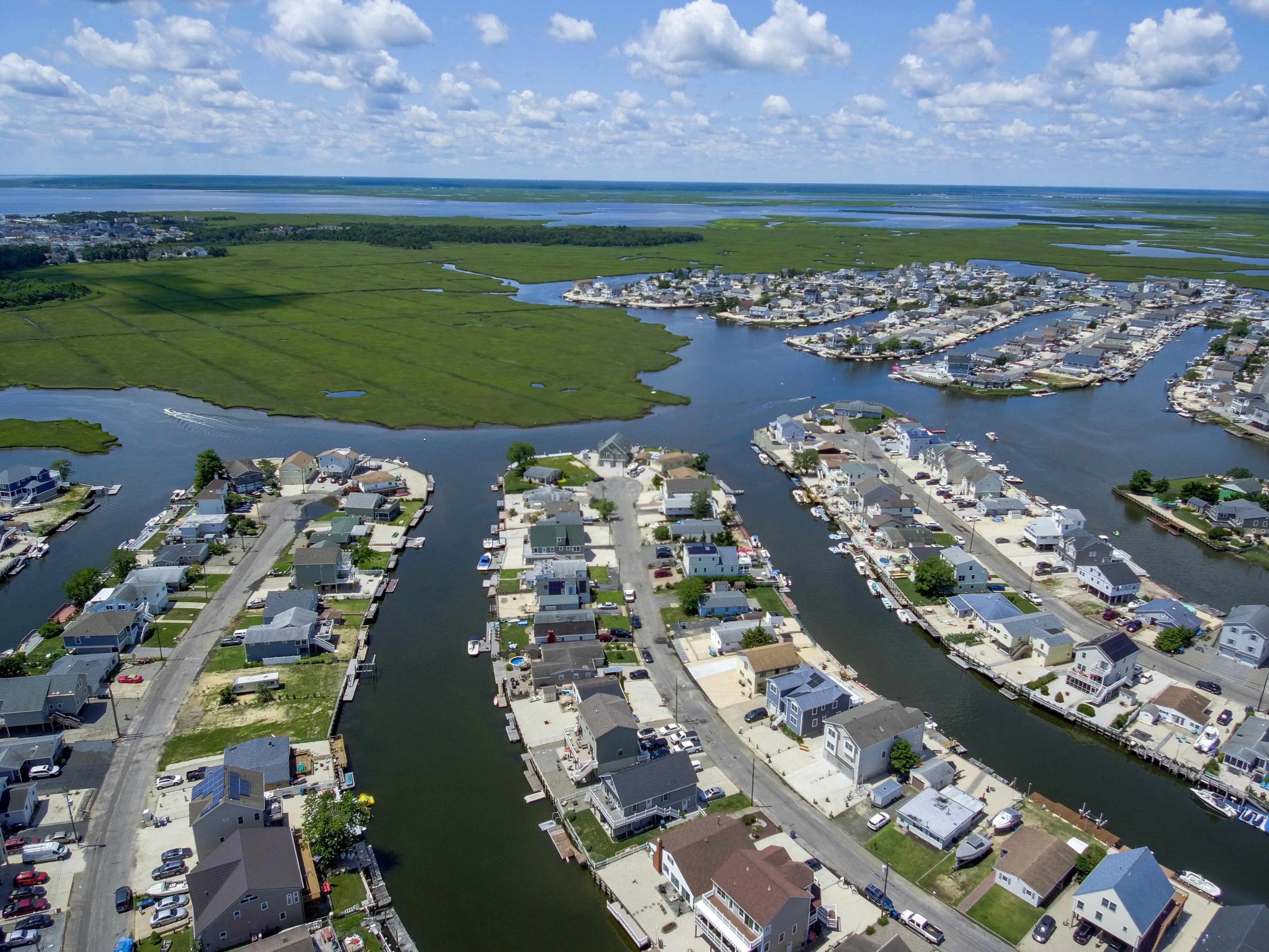
Monmouth County presents another profile altogether, with a mix of suburban and coastal demand. Buyers here may prioritize different features, and pricing is often influenced by location, lifestyle factors, and seasonality.
Lenders will evaluate your projected ARV based on local comparables, not broad assumptions. The more grounded your numbers are in the realities of a specific area, the stronger your deal will be from both an underwriting and resale perspective.
Setting up your LLC the right way
For hard money loans, most lenders will require you to purchase and finance a fix-and-flip property through a limited liability company (LLC), rather than in your personal name.
For first-time investors, this is often one of the first operational steps and one that can cause delays if not handled early enough.
The overall concept is similar to New York: the LLC acts as the borrowing entity, helping separate your personal assets from the investment property. But the setup process in New Jersey has its own requirements, including state registration, filing fees, and ongoing compliance obligations.
If you’re investing from out of state, you may also need to register your LLC as a foreign entity, which adds another layer to the process.
While forming an LLC is relatively straightforward, timing matters. Lenders typically require the entity to be fully set up before closing, and any issues with documentation can slow down the deal.
It’s a good idea to establish your LLC well before going under contract so you can move quickly when the right opportunity comes up.
The certificate of occupancy process can define your timeline
In New Jersey, the certificate of occupancy (CO) process is handled on a town-by-town level. That can introduce more variability than many first-time investors expect.
The process isn’t always predictable because each municipality sets its own requirements for inspections, approvals, and what’s needed before a property can be legally occupied or sold.
Some towns move quickly, while others may require multiple inspections or additional sign-offs before issuing a CO. Requirements can also vary depending on the scope of work, the age of the property, and local regulations.
For investors, this matters because the CO is often a gating item for closing a sale. Even if construction is complete, delays in inspections or approvals can push back your exit. This can extend your loan duration and carrying costs, which has a direct impact on profitability (our guide to holding costs vs. profit breaks this down in more detail).
The best move is to factor the CO process into your timeline from the start. Understanding local requirements early and building in a buffer for inspections can help prevent last-minute delays that impact your overall returns.
What this means for your first deal
New Jersey offers a compelling opportunity for fix-and-flip investors but, like any market, success comes down to preparation.
Lower entry costs and faster timelines can make deals more accessible, but the small oversights can quickly impact both your timeline and your bottom line.
The same applies to financing.
Working with experienced fix and flip lenders in New Jersey can help you structure your deal correctly from the start: aligning your loan terms with your renovation plan, timeline, and exit strategy.
For first-time investors, that guidance can make a meaningful difference. It’s not just about securing funding but about understanding how each part of the deal fits together before you commit.
Looking to finance your next fix and flip in New Jersey?
We work with investors at every stage, from first-time flippers to experienced operators, to structure deals that move quickly and perform well.
Looking to move quickly on your next deal? We combine fast approvals with hands-on support: helping you structure, finance, and execute with confidence.
Apply today to see how we can support your next project.